
Chrissie Poindexter · Realtor®
Strategic Real Estate Advisor · Central Texas
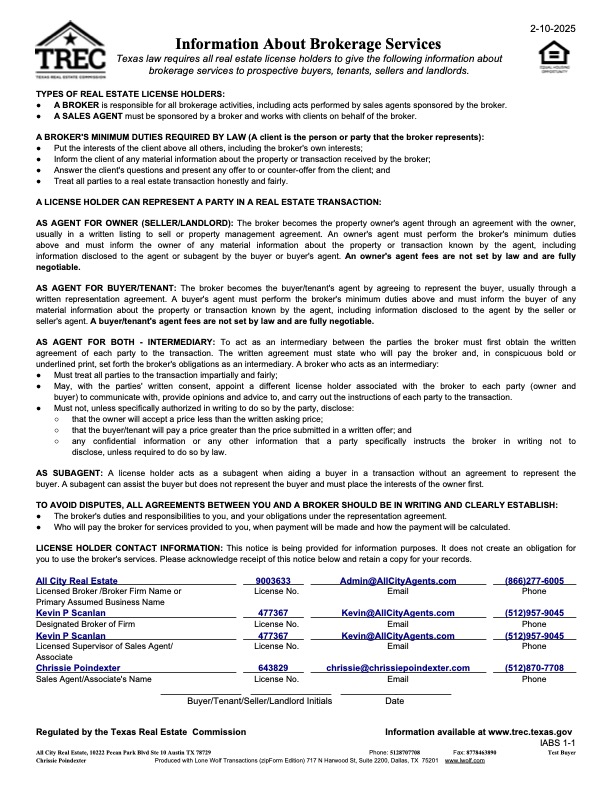
Important Notice: Consumer Protection Notice Discover: Central Texas Lifestyle

Selling a Home in Central Texas

Selling in Central Texas

Selling a Home in Central Texas

Selling well is about far more than putting a home on the market and hoping the right buyer appears. It is about pricing with discipline, preparing with purpose, presenting the home beautifully, and navigating each decision in a way that protects your position from start to finish.

Whether your move is tied to a lifestyle change, a right-sizing decision, a relocation, or the purchase of another home, this seller resource hub is designed to help you think strategically before the market forces your hand. Every page in this series is built to support better timing, better positioning, and a better outcome.

For the full walkthrough, start with The Complete Guide to Selling a Home in Central Texas. If your next move includes a purchase, the Buyer Guide is a helpful companion. If your plans involve a move into or out of the region, the Relocation Guide can help you think more broadly about timing, location, and what comes next.

Seller Strategy

This is not just a listing. It is a turning point.

The strongest sales are rarely accidental. They are built on preparation, market awareness, careful positioning, and representation that knows how to read both the property and the buyer sitting across the table.

My role is to help you move through that process with steadiness and sophistication. We look at value honestly, launch with intention, interpret buyer feedback intelligently, and negotiate from a position that supports your larger plan.

A wise first step is to request a free home market analysis or begin with the complete seller guide so you can better understand how pricing, timing, repairs, showings, offers, and closing costs all work together.

Central Texas Market Perspective From Austin to Cedar Park, Leander, Georgetown, Round Rock, and beyond, every market segment carries its own pace, buyer expectations, and opportunity window.
Positioning Matters
Great outcomes begin before the first buyer ever walks through the door.

Sellers often think of the transaction as beginning on listing day, but the market starts forming an opinion much earlier. Condition, photography, pricing, timing, convenience for showings, and even the emotional tone of the presentation all shape how buyers respond.

When those pieces work together, the process feels less reactive and far more controlled. That shift matters. It improves leverage, supports stronger negotiations, and creates a smoother path to contract.

If you want to work from the broad view down into the details, begin with the complete guide, then explore topics like understanding your home’s market position, repairs before listing, and how buyers experience your home during showings.

Pricing

Price for market position.

The right asking price creates momentum, invites qualified attention, and gives your home the opportunity to perform well from day one. A smart starting point is a detailed market analysis.

Presentation

First impressions still carry weight.

Buyers begin evaluating value the moment they see the property online and again the moment they arrive. Clean presentation, visual calm, and polished details shape perception immediately.

Preparation

Preparation creates leverage.

Homes that are thoughtfully prepared tend to attract stronger interest and reduce buyer hesitation. That includes repairs, decluttering, thoughtful staging, and a listing plan that feels complete.

Timing

Timing influences everything.

The right launch window can affect showings, urgency, and the quality of the offers you receive. Timing is not just a calendar decision. It is part of the strategy.

Exposure

Photography drives the showing.

Professional imagery is often your home’s first showing. Strong visuals create desire, increase click-through activity, and help position the home as worth seeing in person.

Flow

Neutral spaces invite imagination.

Buyers need room to picture themselves living there. Simplified spaces, cleaner lines, and reduced visual noise make that easier and often more profitable.

Trust

Transparency supports smoother negotiations.

A well-managed transaction is not about hiding flaws. It is about understanding what matters, disclosing what is appropriate, and avoiding unnecessary surprises later in the process.

Negotiation

The best offer is not always the highest one.

Financing quality, timelines, contingencies, and overall certainty can matter just as much as price. The stronger deal is the one that best protects your goals.

None of these elements live in isolation. Pricing influences activity. Presentation affects confidence. Timing affects leverage. Negotiation affects what you actually keep. The seller who understands how those pieces interact is in a much better position to make decisions that serve the larger picture.

A Better Start
Before your home goes live, these are the decisions that deserve the most attention.
  • Understand current value with a realistic market analysis rather than a hopeful estimate.
  • Address repairs that influence buyer perception, financing, or appraisal support.
  • Prepare the home to photograph beautifully and show well in person.
  • Think through showing access, pets, work schedules, and how daily life will function during the listing period.
  • Review your next move early, especially if the sale is tied to another purchase or relocation.
A polished listing experience is not just about marketing. It is about helping buyers feel certainty while protecting the seller’s position all the way to closing.
Representation

Who you choose to guide the sale changes the entire experience.

Selling a home on your own may sound straightforward at first, but market positioning, contract terms, buyer financing, repair negotiations, title issues, appraisal risk, and timing pressure can turn quickly. That is why representation matters.

My role is not only to market the home well, but to help structure the process in a way that protects your leverage and keeps the larger plan in view. That includes thoughtful preparation, disciplined pricing, strong exposure, offer evaluation, negotiation support, and communication that keeps you grounded from one step to the next.

If you are considering a for-sale-by-owner path, begin with What Central Texas FSBO Sellers Should Know. If your move is tied to another purchase, selling and buying without the stress and whether to sell before buying are both useful next reads.

Choosing the Right Agent

The right partnership changes more than the outcome. It changes the entire tone of the move.

You are not just looking for someone who can put a home in the MLS. You are looking for someone who can interpret the market, lead strategically, communicate clearly, and protect your interests when the details start to matter.

Market fluency

You want someone who understands local buyer behavior, neighborhood positioning, financing trends, and how price points perform in real time.

Strategic communication

Strong guidance is calm, clear, and timely. When decisions become time-sensitive, communication should stay steady rather than scattered.

Real negotiation skill

A skilled agent understands how to weigh concessions, appraisals, timelines, repairs, and buyer strength without losing sight of the larger result.

Respect for your goals

This move is personal. Your representation should reflect your priorities, your timing, and what this sale is meant to support in the next chapter.

Home Value

Find your home’s value in Central Texas with more than guesswork.

Homeowners usually have a number in mind. The market, however, responds to evidence, timing, condition, buyer demand, and competition.

A proper value analysis is not simply a list of comps. It is an evaluation of how your property sits in the market right now, how buyers are likely to compare it, and what strategy gives it the strongest chance to perform well.

Overpricing can slow momentum, weaken negotiating power, and create a longer path to the finish line. Underpricing leaves opportunity behind. Thoughtful pricing is where strategy begins, and it influences nearly everything that follows.

To explore this further, start with Find Your Home’s Value in Central Texas and Central Texas Home Analysis.

Offers and Negotiation

Receiving offers is one thing. Choosing well is another.

The goal is not only to attract attention, but to create a listing the market responds to with conviction.

Homes that receive strong offers tend to remove hesitation before it begins. Buyers notice condition, confidence in pricing, convenience of showing access, and how complete the presentation feels. The market is reading your home long before anyone signs a contract.

Once offers arrive, the conversation becomes more nuanced. Price matters, but so do financing strength, appraisal risk, option timelines, closing schedules, repair expectations, and how likely the buyer is to actually finish what they started.

Helpful next reads here include Comparing Multiple Offers, Home Offer Red Flags, How Buyer Financing Impacts Your Sale, and What Happens After You Accept an Offer.

Seller Questions

Clear answers make complicated decisions easier.

Sellers usually do not need more noise. They need sound guidance, good information, and a clearer sense of what truly matters.

Should I sell before I buy my next home?

That depends on your financing position, equity, timing, and comfort with risk. Start with Should You Sell Before You Buy? and How to Sell Your Home and Buy Another Without the Stress.

Do I need to make repairs before I list?

Some repairs meaningfully improve buyer confidence or appraisal support. Others do not. Making Repairs Before Listing helps you separate what is worth doing from what can often be left alone.

Is the highest offer always the strongest offer?

Not necessarily. Financing, contingencies, flexibility, appraisal exposure, and closing certainty all affect how strong an offer really is.

What happens if the appraisal comes in low?

That depends on the buyer’s financing, the structure of the contract, and whether there is an appraisal gap strategy in place. What Sellers Need to Know About Appraisal Gaps covers this in more detail.

What costs should I expect as a seller?

Closing expenses vary, but title-related fees, negotiated concessions, repairs, and other transaction costs can all affect your net. See What Sellers Need to Know About Closing Costs.

From Contract to Closing

What happens after your home goes under contract?

Once a contract is accepted, the transaction enters one of its most detail-sensitive phases. Inspections, repair requests, financing milestones, title work, appraisals, and closing preparation all begin to matter at once.

This is where many sellers feel the shift from excitement to uncertainty. That is normal. It is also exactly why strategy still matters after the offer is signed. The contract is only the beginning of the closing process, not the end of the negotiation.

If you want a stronger handle on this phase, read What Happens After You Accept an Offer, Appraisals, Financing, and Closing Costs, and How Buyer Financing Impacts Your Sale.

When expectations are set well and the transaction is managed carefully, this stage feels far less chaotic and far more manageable.

Inspections, appraisals, and lender milestones are not detours. They are checkpoints that need to be managed well.
Seller Timeline

What the selling process typically looks like.

A cleaner timeline creates a calmer experience and helps sellers anticipate what is coming before it becomes urgent.

AnalyzeValue, timing, competition, and likely buyer profile.
PrepareRepairs, staging, photography, and listing readiness.
LaunchMarket debut, showings, and initial buyer response.
NegotiateOffers, terms, financing, and overall deal strength.
NavigateInspections, appraisal, title, and lender milestones.
CloseFinal signatures, funding, keys, and what comes next.
Recommended Reading

Seller resources worth reading next.

These pages build out the strategy behind pricing, preparation, negotiation, timing, and closing so you can approach the sale from an informed position.

Start With a Plan

There is a lot to this process, but it can be handled beautifully with the right strategy.

Let’s talk through your property, your timing, and what this move is meant to support. From first pricing conversations through closing day, the goal is to create a plan that reflects your priorities and protects your position.

If your next move includes buying, the Buyer Guide can help you think ahead. If relocation is part of the conversation, the Relocation Guide adds helpful perspective.

Ready to Begin?

When the strategy is right, selling feels far less overwhelming and far more intentional.

That is the aim here—not simply to put a house on the market, but to help you move into what comes next with stronger positioning, steadier expectations, and a result that supports the life you are building.

Let’s talk about what’s possible.
Equal Housing Opportunity

Committed to Fair and Equal Access to Housing

All City Real Estate supports the principles of Equal Housing Opportunity and is committed to fair housing practices. Every buyer and seller deserves professional representation, transparent information, and equal access to housing opportunities.